
Plastic waste is a huge problem for manufacturers today, and you might feel guilty using standard ABS plastic. Many project managers like you are looking for greener options but worry about performance and safety. You want to be sustainable, but you cannot risk your product quality or your customer’s trust.
Bio-based ABS is generally safe and offers significant environmental benefits compared to traditional petroleum-based ABS. It reduces carbon footprint by using renewable feedstocks like plant starches or oils, yet it maintains similar mechanical properties like durability and heat resistance. However, specific safety certifications depend on the exact additives used in the bio-formulation.
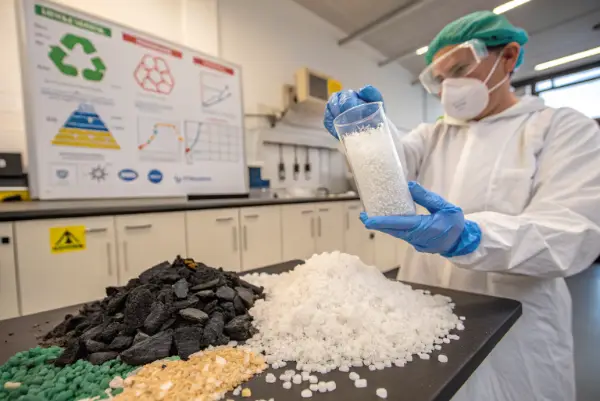
Switching materials is a big decision. You need to know if the swap is worth the effort and the cost. In this article, I will walk you through the real safety comparisons and environmental wins of choosing bio-based ABS for your next molding project.
How Do Bio-Based ABS Materials Compare in Safety to Traditional ABS?
Safety is the first thing on your mind when you choose a new material. You worry that a "green" plastic might release weird chemicals or fail under stress. If the material is not safe for the end-user, it does not matter how eco-friendly it is.
Bio-based ABS is comparable in safety to traditional ABS, often meeting the same international safety standards like UL and RoHS. Because the base polymer structure remains similar, it does not introduce new toxic risks inherently. However, you must always check the Material Safety Data Sheet (MSDS) because different suppliers use different bio-additives that could impact food contact safety or flammability ratings.
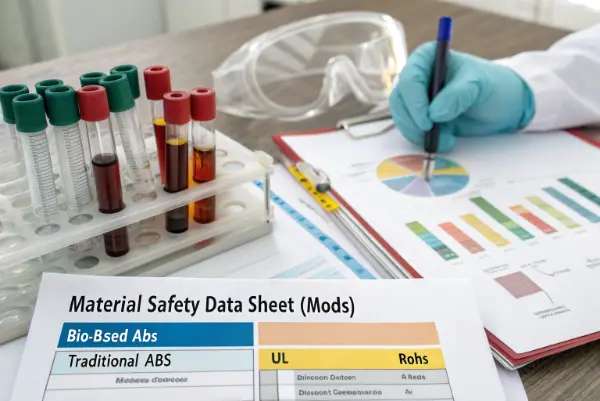
When we talk about safety, we need to look at it from two angles: manufacturing safety and consumer safety. I remember a project last year where a client was terrified that bio-based resin would smell bad or release fumes during injection molding. We ran a trial, and the emissions were actually lower than their standard grade.
Let’s break down the safety aspects more clearly. It is not just about toxicity; it is about performance stability too.
Chemical Stability and Leaching
One major concern is leaching. Does the bio-content migrate out of the plastic over time?
- Standard ABS: Known for being stable but contains styrene, which can be a concern in high heat.
- Bio-ABS: Often uses lignin or vegetable oil derivatives. These are generally stable, but you must verify that the binding agents are high quality. If the bond is weak, the material can degrade faster, potentially releasing additives.
Flammability Ratings
Project managers like Alex often deal with electronics. This means fire safety is non-negotiable.
- Traditional ABS needs flame retardants (often halogenated) to pass UL94 V-0 tests.
- Bio-based ABS can also be compounded with flame retardants. Interestingly, some bio-fillers like lignin have natural charring properties that can actually help with fire resistance, potentially reducing the need for harsh chemical retardants.
Food Contact Safety
| This is a tricky area. | Material Type | Food Safe? | Notes |
|---|---|---|---|
| Standard ABS | Sometimes | FDA grades exist, but residual monomers are a concern. | |
| Bio-Based ABS | Dependent on Source | Not automatically food safe. Plant origin does not mean edible. The chemical processing must be clean. | |
| PLA (Alternative) | Yes | Often used for food, but lacks ABS heat resistance. |
In my experience at CavityMold, we always ask for the specific certification for the specific batch. Just because it says "Bio" does not mean it is safe for a baby bottle. You have to treat it with the same rigor as any petrochemical plastic.
Does Bio-Based ABS Truly Offer Better Environmental Benefits?
Marketing teams love to use the word "sustainable," but engineers need hard data. You might wonder if the energy used to grow the plants for bio-plastic cancels out the benefits. Is it actually better for the planet, or is it just "greenwashing"?
Yes, bio-based ABS offers measurable environmental benefits, primarily by reducing the reliance on fossil fuels and lowering the overall carbon footprint of the product. Studies show that bio-based alternatives can reduce greenhouse gas emissions by 40% to 60% compared to conventional ABS. It also promotes a circular economy by utilizing agricultural by-products instead of virgin oil.
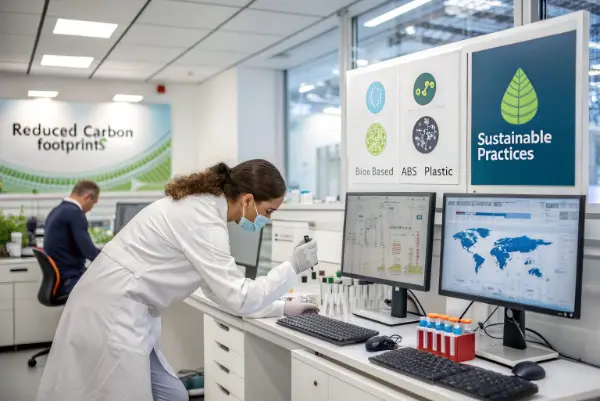
We need to dig deeper into the "Life Cycle Assessment" (LCA) to understand the real impact. It is not just about the raw material; it is about the whole process.
Carbon Sequestration
The plants used to make the feedstock (like corn, sugarcane, or castor beans) absorb CO2 while they grow. This is a huge advantage. Traditional ABS extraction pumps carbon out of the ground. Bio-ABS starts with a carbon deficit because the plants have already cleaned the air.
Energy Consumption in Manufacturing
Creating monomers from petroleum requires massive amounts of heat and pressure (cracking).
- Petro-ABS: High energy intensity.
- Bio-ABS: Fermentation or chemical processing of biomass usually requires lower temperatures. This means less electricity and gas are burned at the resin plant.
End-of-Life Options
This is where people get confused.
- Biodegradable vs. Bio-based: Bio-based ABS is usually not biodegradable. It is durable. It will not rot in a compost heap.
- Recyclability: This is the good news. Bio-based ABS can often be recycled in the same stream as standard ABS. You do not need to create a separate recycling infrastructure. This is a massive win for project managers who want to design products that fit into the current recycling ecosystem.
Reducing Volatile Organic Compounds (VOCs)
Factory air quality matters. I have noticed that processing bio-based grades often results in less "plastic smell" on the shop floor. This indicates lower VOC emissions, which is better for our workers’ health and reduces atmospheric pollution.
Can Bio-Based ABS Match the Mechanical Performance of Standard ABS?
You are probably thinking that "green" materials are weak or brittle. You cannot afford for a consumer electronics housing to crack when dropped. If the mechanical performance is poor, the environmental benefit is worthless because the product will fail early and become trash.
Modern bio-based ABS formulations can match or even exceed the mechanical performance of standard ABS in terms of tensile strength and impact resistance. Advances in compounding technology allow manufacturers to reinforce bio-resins with glass fibers or other modifiers to achieve the necessary stiffness. However, heat deflection temperatures can vary, so selecting the right grade is critical.
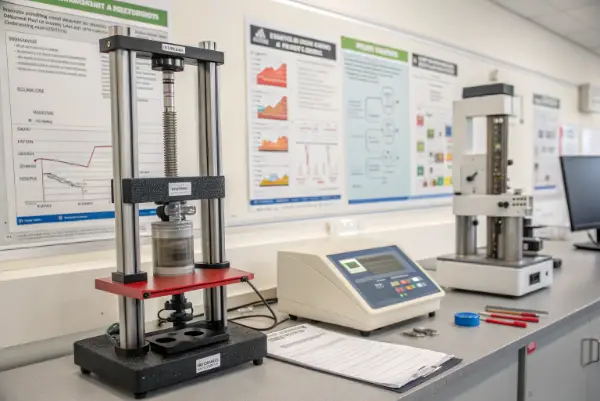
Let’s look at the numbers and the behavior of the material. I have molded thousands of parts, and I have seen how these materials behave in the mold and in the field.
Impact Strength (The Drop Test)
ABS is famous for toughness. It is why we use it for protective gear and luggage.
- Early bio-plastics were brittle.
- New Bio-ABS blends (often mixed with PC or specialized bio-polyamides) maintain that high Izod impact strength.
- My advice: If you need high impact resistance, ask for a "high-impact" bio-grade specifically. Do not assume the general purpose grade will work.
Heat Deflection Temperature (HDT)
This is usually the weak point for bio-plastics.
- Standard ABS handles roughly 85°C to 100°C well.
- Bio-ABS can sometimes soften at lower temperatures.
- The Fix: Compounding. By adding heat stabilizers or blending with Polycarbonate (Bio-PC/ABS blends), we can push the heat resistance back up to over 100°C. This makes it suitable for electronics that get warm during use.
Aesthetic and Surface Finish
For consumer goods, looks matter.
- Gloss: Bio-ABS can achieve the same high-gloss finish as standard ABS.
- Coloring: It accepts masterbatches easily. You do not have to change your color palette.
- Sink Marks: The shrinkage rate is very similar to standard ABS (around 0.5-0.7%). This means you can often use existing molds without major modifications. This saves you thousands of dollars in tooling costs.
Processing Consistency
This is vital for me as a molder.
- Some bio-materials vary from batch to batch because crops vary from season to season.
- Top-tier resin suppliers have solved this. They standardize the feedstock so that the flow rate (MFI) remains constant. This ensures your cycle times stays fast and your unit cost stays low.
What Are the Cost Implications of Switching to Bio-Based ABS?
Finally, we have to talk about money. Your boss will ask about the budget. You assume that sustainable options are always more expensive, and you are worried it will kill your profit margin.
Bio-based ABS is currently more expensive than standard petroleum ABS, typically costing 20% to 40% more per kilogram. This price difference is due to smaller production scales and more complex raw material processing. However, prices are stabilizing as demand grows, and the cost can often be offset by marketing advantages and potential tax incentives for green manufacturing.

We need to look at the "Total Cost of Ownership," not just the price per pound of pellets.
Raw Material Cost vs. Part Cost
Yes, the resin costs more. But in many electronic parts, the material cost is only a fraction of the total part cost (which includes labor, machine time, and overhead).
- If a part weighs 50 grams, a 30% increase in resin price might only add a few cents to the final part cost.
- Calculation: 50g x $0.002 increase = $0.10 increase per unit. Is a 10-cent increase acceptable for a "Premium Eco-Friendly" label? Usually, yes.
Marketing Value
You can sell the product for a higher price. Consumers specifically look for eco-friendly products now.
- You can market your product as "Made with 50% Renewable Content."
- This differentiates your brand from competitors who are still using 100% fossil fuel plastics.
- I have seen clients increase their retail price by 15% just by switching materials and updating their packaging to highlight the sustainability story.
Regulatory Costs and Taxes
Governments are starting to tax virgin plastics.
- Europe is leading the way with plastic taxes.
- Using bio-based content might exempt you from certain future tariffs or taxes.
- This is a strategic, long-term cost saving. You are future-proofing your supply chain against stricter environmental regulations.
Supply Chain Stability
Oil prices are volatile. They go up and down with geopolitical conflict.
- Bio-feedstocks are agricultural. While they have their own risks (droughts), they are decoupled from oil prices.
- This can provide more stable pricing in the long run, helping you forecast your budgets more accurately.
Conclusion
Switching to bio-based ABS is a smart move for modern manufacturing. It is safe, comparable in performance, and offers a massive reduction in carbon footprint. While the upfront material cost is higher, the marketing benefits and long-term stability make it a solid investment. At CavityMold, we are ready to help you navigate these green alternatives.