
It’s exciting to see a plain plastic part transform into something that looks like shiny chrome. But here is the hard truth: the process to get that look is full of hidden dangers. Are you risking your workers’ safety or your company’s reputation by ignoring the hazards of electroplating ABS?
Electroplating ABS is generally safe when strict protocols are followed, but it involves handling hazardous chemicals like chromic acid and heavy metals. To ensure safety and environmental compliance, manufacturers must use closed-loop systems, advanced waste treatment, and rigorous personal protective equipment (PPE). Failure to manage these risks can lead to severe health issues and environmental fines.
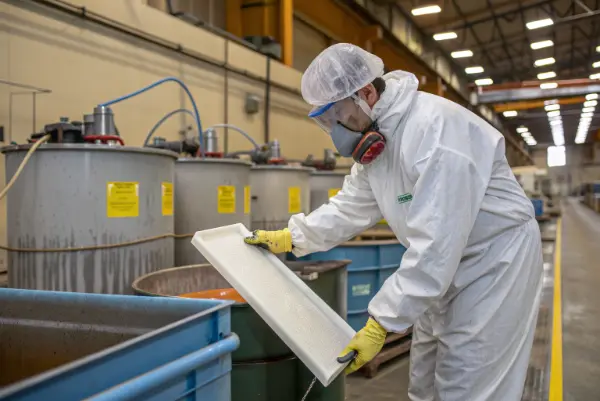
Let’s be honest with each other. We all love the finish that electroplating gives to consumer electronics and automotive parts. It feels premium. It looks expensive. But as project managers and engineers, we have a responsibility that goes beyond just aesthetics. We need to know what happens on the factory floor. I have seen shops that cut corners, and I have seen shops that do it right. The difference is night and day. If you want to master molding right, you need to understand the risks involved in this specific finishing process. So, let’s break down exactly what you need to watch out for.
What Are the Key Chemical Hazards in Pre-treatment?
Pre-treatment is the most critical step for adhesion, but it is also the most dangerous. You cannot plate plastic without etching it first. This step uses strong acids to eat away microscopic holes in the surface. If you don’t respect the chemicals here, people get hurt.
The primary hazard in the pre-treatment of ABS is the etching bath, which typically contains a mix of chromic acid and sulfuric acid. These are highly corrosive and carcinogenic substances that can cause severe skin burns, respiratory damage, and long-term health problems if fumes are inhaled or if splashes occur without proper protection.
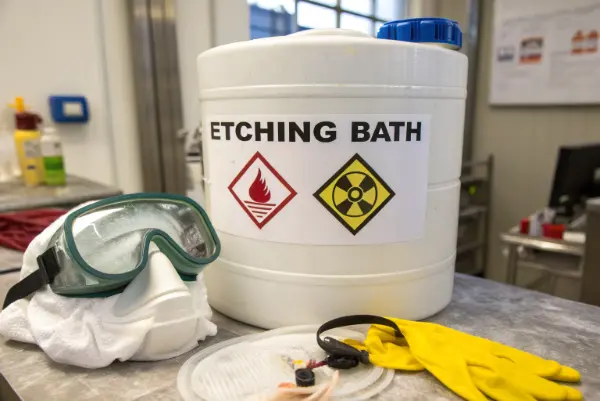
We need to look closer at this "etching" stage because it is the foundation of the whole process. When I first started at CavityMold back in 2009, I remember walking into a plating partner’s facility. The smell was sharp and metallic. That smell was a warning.
In the pre-treatment phase, the ABS plastic is submerged in a bath of chromic and sulfuric acid. This eats away the Butadiene rubber component on the surface of the ABS. This creates the "anchor points" for the metal to stick to. However, Hexavalent Chromium (part of chromic acid) is a known carcinogen. It is strictly regulated in Europe (under REACH) and increasingly so in other parts of the world.
If you are managing a project, you need to ask your supplier these specific questions:
- Fume Extraction: Do they have "push-pull" ventilation systems on their tanks? This keeps the dangerous mist away from the operator’s face.
- Spill Containment: What happens if a tank leaks? There must be secondary containment barriers.
- Automated Dosing: Is a human pouring acid from a bucket, or is a machine doing it? Automation removes the human element from the most dangerous step.
The table below breaks down the specific chemicals and their risks:
| Chemical Agent | Purpose in Process | Primary Health Risk | Necessary Safety Measure |
|---|---|---|---|
| Chromic Acid | Etches the ABS surface | Carcinogen, skin burns | Full hazmat suits, scrubbing towers |
| Sulfuric Acid | Catalyst for etching | Corrosive, eye damage | Face shields, emergency showers |
| Palladium | Activator for plating | Skin sensitization | Gloves, local exhaust ventilation |
Understanding these risks helps you audit your suppliers better. You don’t want your project delayed because a health inspector shut down your plating vendor.
How Does Waste Water Management Impact Compliance?
You can’t just flush plating chemicals down the drain. The water used to rinse the parts is full of heavy metals. If this gets into the local water supply, the environmental damage is massive. Are your current partners treating their water correctly?
Waste water from electroplating ABS contains toxic heavy metals like copper, nickel, and chromium that ruin ecosystems. Proper management requires an on-site effluent treatment plant (ETP) that neutralizes acids and precipitates metals into a solid sludge before the water is released or recycled back into the system.
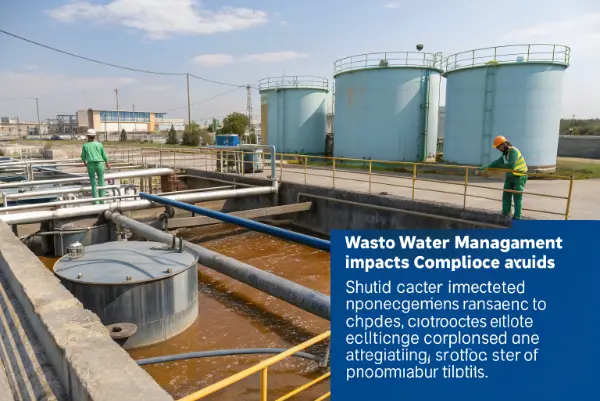
I want to dive deeper into the water issue because this is where most companies get into legal trouble. In the molding and finishing world, water is a tool, not just a resource. During the plating process, parts are dipped in chemical baths and then rinsed. That rinse water carries the drag-out (leftover chemicals) from the previous tank.
This creates a complex cocktail of pollutants. You have acidic water, alkaline water, and water loaded with dissolved metals. You cannot treat them all the same way. A good facility separates these streams. They treat cyanide waste (if used) separately from chromium waste.
Here is what a responsible process looks like:
- Cyanide Destruction: Using oxidizers to break down cyanide into harmless nitrogen and carbon dioxide.
- Chromium Reduction: Turning dangerous Hexavalent Chromium into the less harmful Trivalent Chromium.
- Metal Precipitation: Adding chemicals to make dissolved metals clump together so they sink to the bottom.
If you are sourcing molds and finishing from overseas, you might think local laws don’t apply to you. But they do apply to your brand image. Imagine a news report linking your product to a poisoned river. It is a nightmare.
At CavityMold, we verify that our partners use Zero Liquid Discharge (ZLD) systems whenever possible. This means they recycle the water continuously. It costs more upfront, but it reduces the risk of fines to zero. When you evaluate a quote, look for the cost of waste treatment. If the price is too low, they might be dumping untreated water. Cheap plating is often illegal plating.
Can We Replace Hexavalent Chromium with Safer Alternatives?
Everyone is looking for a way to stop using Hexavalent Chromium. It is the elephant in the room. New technologies promise the same look without the cancer risk. But is the technology ready for mass production yet?
Yes, Trivalent Chromium is the leading alternative to Hexavalent Chromium, offering a much safer working environment and easier waste disposal. While the color tone was historically slightly darker, modern Trivalent processes now closely match the bright, blue-white finish of traditional chrome, making it a viable option for most consumer products.
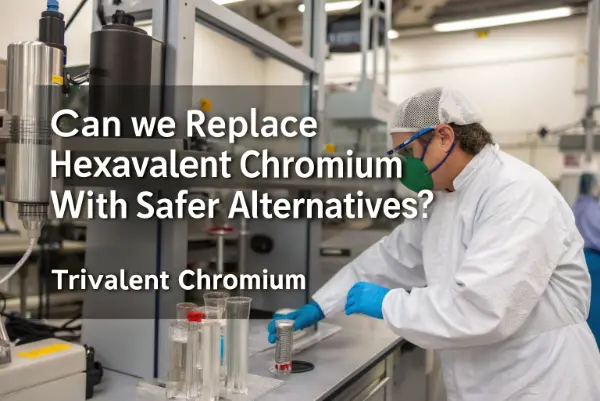
Let’s talk about the future of plating. For years, engineers like Alex (and myself) hesitated to switch to Trivalent Chrome. We were used to that specific "blue-white" shine of Hexavalent Chrome. Trivalent used to look a bit "smoky" or yellowish. It just didn’t look right on high-end electronics.
But things have changed. The chemistry has improved significantly in the last five years. Now, switching to Trivalent Chrome is one of the smartest moves you can make for safety.
Why is Trivalent better?
- Lower Toxicity: It is much less toxic than Hexavalent chrome. This means fewer health risks for the workers on the line.
- Less Regulation: It is easier to comply with environmental laws. You spend less money on air scrubbers and waste treatment.
- Better Throwing Power: Trivalent baths can actually plate into recesses and corners better than the old method. This is great for complex molded parts.
However, there is a catch. The process is more sensitive to metallic impurities. The chemical bath needs tighter control. This means the plating shop needs better lab equipment and more skilled chemists.
Process Comparison Table:
| Feature | Hexavalent Chrome (Traditional) | Trivalent Chrome (Eco-Friendly) |
|---|---|---|
| Color | Bright, Blue-White | Very close match (formerly darker) |
| Health Risk | High (Carcinogenic) | Low |
| Waste Cost | High | Low |
| Energy Use | High | Lower |
| Corrosion Resistance | Excellent | Good (improving) |
If you are designing a new product today, specify Trivalent Chrome. It future-proofs your product against upcoming bans. It shows your customers that you care about sustainability. It might cost a fraction more per part right now, but it saves you from liability later.
What Safety Gear is Non-Negotiable for Workers?
Technology helps, but accidents happen. When chemicals are involved, the last line of defense is what the worker is wearing. If you walk onto a floor and see people in t-shirts, run away. What exactly should they be wearing?
Standard Personal Protective Equipment (PPE) for electroplating lines must include acid-resistant aprons, long chemical-grade gloves, splash-proof face shields, and respirators rated for acid mists. Emergency eye-wash stations and deluge showers must be accessible within 10 seconds of any workstation handling hazardous chemicals.
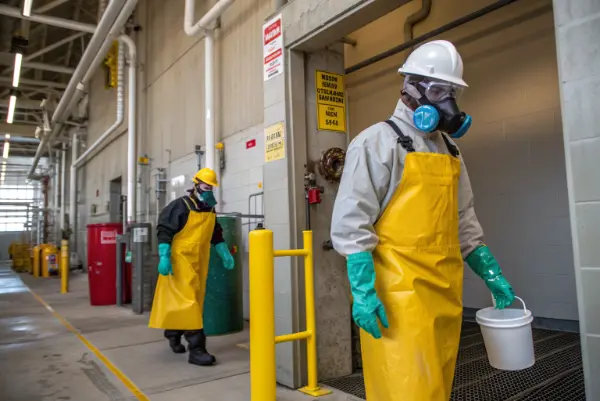
We need to think about the human element. Automation is great, but people still have to maintain the tanks, mix the chemicals, and move the racks. I once visited a factory where the workers were wearing standard latex gloves—the kind you buy at a grocery store. That is terrifying. Those gloves dissolve in seconds when they touch strong acids.
As a project manager, when you visit a supplier (or hire us to do it), check the PPE culture. It tells you a lot about the overall quality of the factory. If they don’t care about their workers’ eyes, they definitely don’t care about your mold tolerances.
Here is a checklist of non-negotiable safety gear and infrastructure:
- Respiratory Protection: It is not just about masks. The facility needs aggressive air exchange. The air in the plating room should change over 10 to 15 times per hour. If the air feels "heavy" or makes you cough, the ventilation is failing.
- Chemical Resistant Footwear: Spills go down. Workers need rubber boots with steel toes. Regular sneakers will absorb acid and burn the skin on the feet.
- The "Buddy System": No one should ever work alone in the chemical storage area. If someone passes out from fumes, there must be someone else to drag them out and call for help.
Also, consider the maintenance of the gear. Gloves get pinholes. Respirator filters get clogged. A safe factory has a schedule for replacing PPE. They don’t wait for it to break.
This connects back to quality. A worker who feels safe and protected is more focused. They pay attention to the details of your product. A worker who is scared of getting burned is rushing to finish the job. Safety isn’t just an ethical requirement; it is a quality control strategy. At CavityMold, we only partner with shops that treat safety as a religion.
Conclusion
Electroplating ABS transforms products, but it demands respect for the chemicals involved. From managing toxic etching baths and treating wastewater to adopting Trivalent alternatives and enforcing strict PPE, safety is a complex system. Prioritize suppliers who invest in safety; it protects people, the planet, and your brand’s reputation.