
Nylon is a powerhouse material, but it’s famous for high energy use and waste during processing. This quietly inflates your production costs and makes sustainability targets seem out of reach. What if you could use simple, effective strategies to slash energy consumption and minimize material waste?
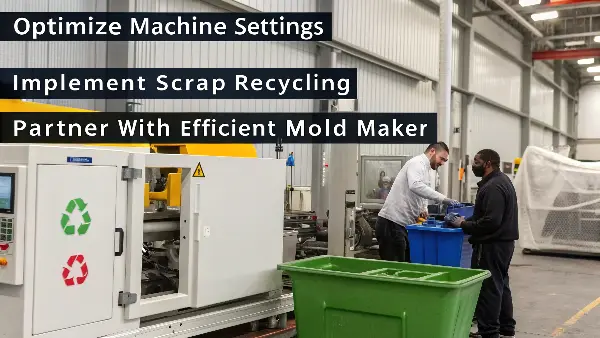
Yes, you can make nylon processing more sustainable by focusing on three key areas. First, optimize your injection molding machine settings, especially barrel temperatures, drying procedures, and injection pressures. Second, implement a robust scrap regrind and recycling program. And critically, partner with a mold maker who designs for efficiency with features like optimized cooling channels and hot runner systems.
This might sound like a lot to tackle, but improving sustainability is really a game of inches. Small, smart changes in your process can add up to huge savings in energy and material. It’s not about a complete overhaul overnight. It’s about looking at each step of the journey, from the moment the resin arrives at your facility to the final part coming out of the mold. In my years of working with clients, I’ve seen that the most successful ones are those who are willing to question their existing processes and look for opportunities to be more efficient. Let’s break down some of the most impactful areas where you can start making a difference right away. This will not only help your bottom line but also position your company as a leader in responsible manufacturing.
How Can You Slash Energy Consumption During Nylon Molding?
Your molding machines might be running hotter and longer than needed for your nylon parts. This leads to shocking energy bills and can even degrade the material, causing quality issues. Let’s look at how you can fine-tune your process for maximum energy efficiency without hurting part quality.
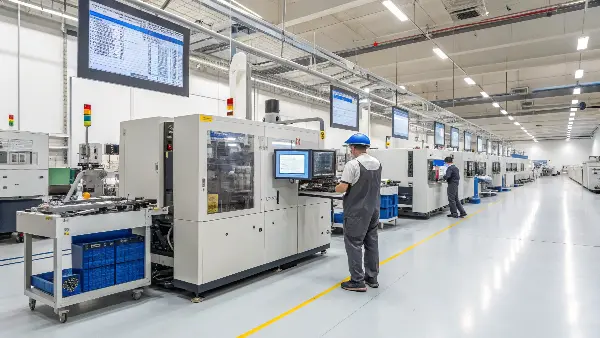
You can reduce energy use by optimizing barrel temperatures, using modern all-electric machines, and insulating the barrel. Lowering the melt temperature by even a few degrees saves significant energy. Also, make sure your machine size is right for the shot size, as an oversized machine is incredibly inefficient. Proper maintenance is also key.
Dive Deeper
Energy efficiency is a huge topic, but for nylon molding, it often comes down to heat and mechanics. Nylon requires high processing temperatures, which means your heaters are working hard. The goal is to use that expensive energy as effectively as possible. I remember visiting a client’s facility where their energy costs for a specific nylon project were almost 15% higher than projected. We did an audit and found several small areas for improvement that, together, made a massive difference.
Machine Selection and Maintenance
The machine itself is your starting point. Modern all-electric injection molding machines can use 50-70% less energy than older hydraulic models. They only use significant power when they’re actually moving, unlike hydraulic pumps that can run constantly. Beyond energy savings, they offer better precision and repeatability, which means fewer rejected parts and less waste. If you’re not ready for a new machine, focus on what you have. Make sure the machine tonnage and shot size are appropriate for the mold. Using a huge machine for a small part is like using a sledgehammer to crack a nut—a huge waste of power. Regular maintenance, like checking for screw and barrel wear, ensures the machine runs as efficiently as the day it was made.
Process Parameter Optimization
This is where your process engineers can be heroes. Nylon is hygroscopic, meaning it absorbs water. Improper drying is one of the biggest energy sinks. You have to heat the dryer, run it for hours, and if the material isn’t perfectly dry, you get bad parts and have to start over. Ensure your desiccant dryers are working correctly, with a low dew point. Next, look at barrel temperatures. Follow the material supplier’s datasheet, but don’t be afraid to experiment with the lower end of the recommended range. Every degree you can safely lower the temperature is a direct energy saving.
Barrel Insulation
This is one of the easiest and fastest wins for energy reduction. The heater bands on your machine barrel are constantly losing heat to the surrounding air. By installing removable thermal insulation jackets, you can cut the energy consumed by those heaters by 25-50%. The payback period for these jackets is often less than a year. It’s a simple, high-ROI upgrade that I recommend to every single client running high-temperature materials like nylon.
What Are the Best Strategies for Reducing Nylon Waste?
Runners, sprues, and bad parts pile up fast, turning your expensive nylon resin into a pile of costly scrap. This waste directly hurts your bottom line and your company’s environmental goals. Let’s discover some practical methods to minimize this scrap and effectively reuse what’s left over.
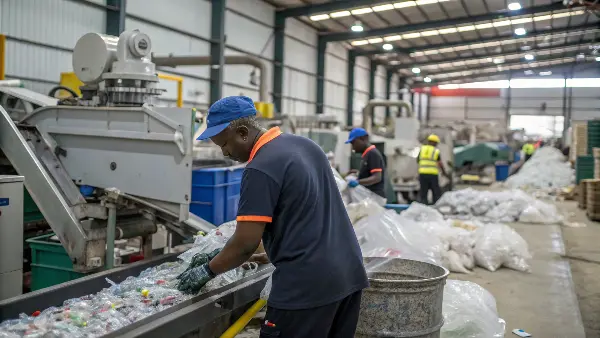
The best strategies involve both prevention and reuse. You can minimize new scrap by investing in hot runner molds, which eliminate the runner system entirely. Then, optimize your molding process to reduce defects. For the scrap you do create, establish a controlled regrind system, carefully blending it back with virgin material.
Dive Deeper
Waste reduction is all about being smart with your material. Every gram of nylon that doesn’t end up in a final, sellable part is lost profit. Thinking about waste reduction needs to happen at two stages: first, in preventing scrap from being created, and second, in managing the scrap that is unavoidable. We work closely with our clients during the mold design phase to address this head-on, because that’s where you have the biggest opportunity to prevent waste.
Minimizing Scrap at the Source
The best way to deal with waste is to not create it in the first place. The single biggest source of scrap in many injection molding operations is the cold runner. It’s necessary to get plastic to the cavity, but it gets ejected with the part and often thrown away. A hot runner mold keeps the plastic in a molten state all the way to the gate, so there is no runner waste. The upfront cost of a hot runner mold is higher, but for high-volume production with an expensive material like nylon, the savings from eliminating runner scrap can be huge. The second source of waste is rejected parts. These are caused by process inconsistencies. A stable, repeatable process with tight control over temperature, pressure, and time is essential to making good parts every time.
Implementing a Regrind Program
Even in the best processes, you’ll have some scrap. A robust regrind program lets you reuse this valuable material. The key word here is "controlled." You can’t just throw scrap into a grinder and mix it back in. You need a system.
| Step | Action | Why It’s Important |
|---|---|---|
| 1. Segregation | Keep nylon scrap separate from all other plastics. | Prevents contamination, which ruins the material properties. |
| 2. Grinding | Use a sharp, clean grinder to create uniform particles. | Dull blades create dust and heat, degrading the nylon. |
| 3. Drying | Dry the regrind just as carefully as you dry virgin material. | Regrind will absorb moisture just as quickly as new pellets. |
| 4. Blending | Use a precise blender to mix regrind with virgin resin. | Ensures a consistent mix and predictable part performance. |
It’s critical to limit the percentage of regrind you use, as nylon’s properties can degrade with each heat cycle. We usually advise clients to start low, around 10-15%, and conduct thorough testing on the final parts to ensure they still meet all specifications.
Beyond Regrind: Recycling
Sometimes, you can’t reuse the scrap in-house, especially if it’s contaminated or you’re making critical-performance parts. In these cases, don’t just send it to a landfill. There are specialized recycling companies that will buy clean, segregated industrial scrap. They can re-compound it and sell it for use in less demanding applications. This is a far more responsible and sustainable option than just throwing it away.
How Does Mold Design Directly Impact Sustainability?
The molding process gets all the attention, but the mold itself is often the hidden source of energy waste and scrap. A poorly designed mold can lock you into long cycle times and high defect rates. Let’s see how a smart, well-engineered mold is the true foundation of sustainable manufacturing.
Mold design is absolutely critical. An efficient cooling system, especially one using conformal cooling, can drastically cut cycle time and therefore energy use. A well-designed runner system minimizes material waste. Finally, using high-quality tool steels and coatings extends the mold’s life, reducing the huge environmental impact of making new tools.
Dive Deeper
As a mold maker, this is where I believe we provide the most value to our clients’ sustainability efforts. The decisions we make before a single piece of steel is cut determine the efficiency of millions of parts down the road. A great mold isn’t just one that makes a good part; it’s one that makes a good part efficiently, reliably, and for a very long time. I once worked on a project where a competitor had underbid us with a cheaper tool. The client went with them, but the mold had terrible cooling. Their cycle time was 45 seconds. We later built them a new mold with proper cooling for a 28-second cycle. The energy and production savings paid for our mold in less than 18 months.
The Power of Optimized Cooling
For a semi-crystalline material like nylon, cooling is typically the longest part of the injection molding cycle. If you can shorten the cooling time, you shorten the overall cycle time, which means you use less energy per part and increase your machine’s output. Standard molds use straight lines drilled for cooling channels, which can leave hot spots in the mold. We use mold flow simulation to design conformal cooling channels that follow the shape of the part. This provides fast, uniform cooling, which not only shortens the cycle but also reduces part warpage—a major cause of scrap.
Runner and Gate Design for Less Waste
As I mentioned earlier, switching from a cold runner to a hot runner is a major sustainability win. It completely eliminates runner scrap. But hot runner systems aren’t right for every project. When a cold runner is the best choice, we use software to design it for maximum efficiency. This means making the runner as small as possible in diameter and length to reduce the amount of material used, while still ensuring the cavities fill properly. The gate location is also critical. Placing it correctly can solve a host of problems like weak knit lines or air traps, preventing defects that would otherwise become waste.
Material Selection and Mold Longevity
A sustainable mold is a long-lasting mold. The energy and resources required to build a new injection mold are significant. If a mold wears out prematurely, its environmental impact is terrible. For abrasive materials like glass-filled nylon, choosing the right tool steel is essential. Using a standard P20 steel would be a mistake; it would wear out quickly. We use hardened tool steels like H13 or S7 and often recommend specialized coatings like PVD (Physical Vapor Deposition) on high-wear areas. This might add a small amount to the upfront cost of the mold, but it can double or triple its operational life, making it a far more sustainable and cost-effective investment in the long run.
Conclusion
Sustainable nylon processing isn’t about one magic solution. It’s about a complete approach: optimizing your machines, reusing material smartly, and, most importantly, starting with a brilliantly designed mold. These steps compound to cut costs, reduce your environmental footprint, and build a more competitive business.