
Struggling with unexplained defects like burn marks or short shots in your injection molded parts? These issues often point to a clogged venting system, a problem that silently sabotages production efficiency and drives up costs. Let’s fix that.
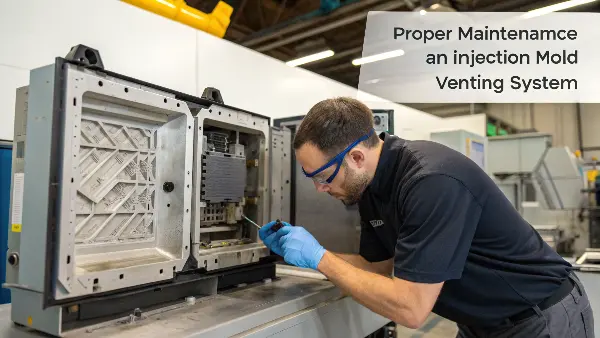
Proper maintenance of an injection mold venting system involves a routine of inspection, cleaning, and documentation. The key is to systematically remove gas residue and buildup from vent channels using appropriate tools and cleaning agents. This ensures gases can escape the cavity effectively, preventing defects and prolonging mold life.
This is the high-level answer, but mastering the process requires a deeper look into the nuts and bolts. Consistent, high-quality production isn’t about luck; it’s about having a solid maintenance plan. Getting the details right—knowing what to do, when to do it, and why it matters—is what separates the best from the rest. Let’s dive into the specifics that will empower your team.
Why Is Consistent Vent Maintenance So Crucial?
Does it feel like you’re constantly fighting fires, chasing down the source of defects after they’ve already ruined a batch of parts? This reactive troubleshooting eats up valuable time and resources. A simple, proactive step is often overlooked: vent maintenance.
Consistent vent maintenance is crucial because it directly impacts part quality, mold longevity, and process stability. By ensuring a clear path for air and gas to escape, you prevent a wide range of defects, reduce stress on the mold, and create a more efficient and predictable manufacturing cycle.

The importance of this simple task can’t be overstated. In my years in the industry, I’ve seen countless production issues traced back to neglected vents. It’s a foundational element of a healthy injection molding process. Ignoring it is like trying to run a marathon without tying your shoelaces—sooner or later, you’re going to stumble.
The Chain Reaction of a Clogged Vent
A blocked vent sets off a cascade of negative effects that ripple through your entire production process. It’s not just one problem; it’s a series of interconnected issues.
- Poor Part Quality: The most immediate consequence is a decline in the quality of your molded parts. When air and gas can’t escape, they become trapped and compressed by the incoming molten plastic. This compression generates immense heat, leading to burn marks or "diesel effect" on the part’s surface. It also creates back pressure that can prevent the mold from filling completely, resulting in short shots or incomplete parts.
- Increased Stress on the Mold: To overcome the back pressure from trapped gas, operators often increase the injection pressure. This is a temporary fix that creates a long-term problem. Higher pressure puts excessive strain on the mold steel, parting line, and the machine’s clamping unit. Over time, this accelerates wear and tear, leading to flashing and potentially catastrophic mold damage, shortening the tool’s valuable operational life.
- Process Instability: A clean vent system contributes to a stable and repeatable process. When vents are clogged, the amount of trapped air becomes unpredictable, causing variations from shot to shot. This forces machine operators to constantly adjust parameters, leading to an unstable process, higher scrap rates, and inconsistent cycle times.
What Are the Telltale Signs of Blocked Vents?
Are your machine operators constantly tweaking settings to combat random part defects? Is your scrap bin filling up faster than usual with parts that have blemishes or don’t seem fully formed? These aren’t random events; they are clear signals from your mold.
The most common signs of blocked vents are visual defects on the parts themselves. Look for burn marks (discoloration), short shots (incomplete parts), voids or bubbles under the surface, and flashing near the vent locations. Another key indicator is needing unusually high injection pressure to fill the mold.
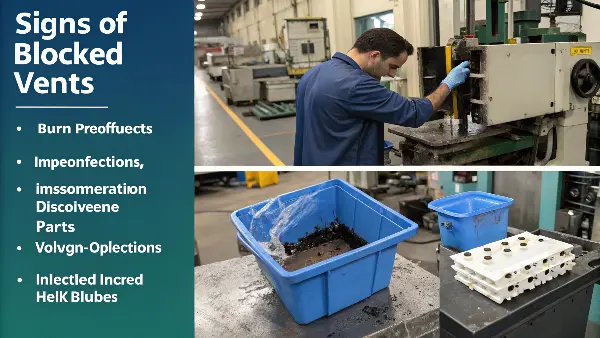
Recognizing these signs early is key to preventing major production headaches. I remember a project with a client who was experiencing a 15% scrap rate on a critical component. They had tried everything—adjusting temperatures, pressures, and flow rates. It wasn’t until we pulled the mold for a detailed inspection that we found the vents were almost completely blocked with residue. A thorough cleaning solved the issue instantly. Learning to read these signs saves time, money, and frustration.
A Diagnostic Checklist for Venting Issues
Think of these signs as a diagnostic checklist. When you see one or more of them appearing, blocked vents should be one of the first things you investigate.
Visual Part Defects
These are the easiest signs to spot and are direct evidence of gas being trapped in the mold cavity.
Burn Marks:These dark or black streaks, typically at the end of the fill path, are caused by the superheating of trapped air. It’s the most classic symptom of poor venting.Short Shots:When the melt front stops short of filling the cavity completely, it’s often because the back pressure from trapped air is too great for the plastic to overcome.Voids & Sink Marks:Trapped gas can create internal bubbles or voids. It can also contribute to sink marks by preventing the pressure needed for proper packing, especially in thicker sections of the part.
Process and Mold Indicators
Sometimes the signs are less about the part and more about the process itself.
High Injection Pressure:If your process sheets show a gradual increase in required injection pressure over time, it could be a sign that vents are slowly clogging, and operators are compensating.Flashing at Vents:This one seems counterintuitive, but if a vent is too deep or becomes eroded from aggressive cleaning, it can allow plastic to escape, causing flash. It’s a sign of improper vent maintenance or design.Residue Buildup:During routine mold cleaning, look for a waxy or filmy residue around the vent exits on the parting line. This is the outgassing from the plastic, and its presence is a clear sign that the vents need cleaning.
What Is the Best Procedure for Cleaning Mold Vents?
You’ve identified the signs and confirmed that your vents need attention. So, what’s the most effective and safest way to clean them without damaging the tool? Simply scraping at them isn’t enough and can cause more harm than good.
The best procedure for cleaning mold vents is a systematic, multi-step process. Start by using soft tools like brass picks to remove loose debris. Then, apply a suitable solvent or mold cleaner to break down stubborn residue. Finally, use compressed air to clear the channels completely, ensuring you don’t damage the vent geometry.

Developing a standardized cleaning procedure is non-negotiable for any serious manufacturing operation. I insist on it with my teams because consistency is everything. When everyone follows the same steps with the same approved tools, you eliminate variables and protect the integrity of the mold. A well-defined process ensures the job is done right every time, regardless of who is performing the maintenance. This protects your investment in the tooling and ensures consistent part quality.
A Step-by-Step Guide to Effective Vent Cleaning
To maintain the precise geometry of your vents, which are often only a few thousandths of an inch deep, you must use the right technique. Aggressive or improper cleaning can easily alter these dimensions, turning a venting problem into a flashing problem.
1. Preparation and Safety
Before you begin, ensure the mold is at a safe, workable temperature. Always wear appropriate personal protective equipment (PPE), including safety glasses and gloves, especially when handling solvents. Make sure you are working in a well-ventilated area. Disassemble the mold only as much as necessary to gain clear access to the parting line and vent channels.
2. Initial Debris Removal
The first pass is about removing the loose buildup without scratching the mold steel.
- Avoid Hardened Steel: Never use hardened steel tools like screwdrivers or utility knives. These will scratch the mold surface and damage the delicate vent edges.
- Use Soft Tools: Opt for tools made from materials softer than the mold steel. Brass scrapers, wooden picks, or even hard plastic utensils are excellent choices. Gently work along the vent path to dislodge any flaky or caked-on residue.
3. Solvent Application and Final Cleaning
Once the loose debris is gone, it’s time to tackle the bonded residue.
- Choose the Right Solvent: Select a mold cleaner or solvent specifically designed for breaking down the type of resin you are running. Different plastics leave different types of residue. Apply the solvent with a soft cloth or brush and let it sit for the recommended time to dissolve the buildup.
- Gentle Agitation: Use nylon or brass brushes to gently scrub the vent area after the solvent has done its work. This helps lift the now-softened residue from the steel surface.
- Final Clearing: Use low-pressure compressed air to blow out any remaining solvent and loosened particles from the vent channels. Ensure the airstream is directed away from you. A final wipe with a clean, lint-free cloth will leave the surface ready for production.
| Step | Action | Key Tool/Material | Why It’s Important |
|---|---|---|---|
| 1. Preparation | Ensure mold is safe and wear PPE. | Safety Glasses, Gloves | Protects the technician from heat and chemicals. |
| 2. Initial Removal | Gently scrape away loose buildup. | Brass or Wooden Pick | Prevents scratching the mold surface and altering vent geometry. |
| 3. Solvent Use | Apply solvent to dissolve residue. | Mold Cleaner/Solvent | Breaks down stubborn residue that can’t be scraped away. |
| 4. Final Cleaning | Scrub gently and blow out channels. | Nylon Brush, Compressed Air | Ensures vents are completely clear without causing damage. |
How Often Should You Schedule Vent Maintenance?
Knowing how to clean vents is one thing, but knowing when to clean them is what keeps you ahead of the game. Do you wait until you see defects, or do you follow a schedule? A reactive approach is a recipe for downtime and scrap.
Vent maintenance should be scheduled based on several factors, not a single fixed interval. Key considerations include the type of plastic material being used, the production volume, and the complexity of the mold. A good starting point is a visual inspection at the end of every shift and a thorough cleaning every 25,000 to 50,000 cycles.

There is no magic number that works for every mold and every material. Creating a customized maintenance schedule for each tool is the most effective strategy. I’ve always preached that a mold is a high-precision asset, and it deserves a tailored maintenance plan, just like any other critical piece of machinery. By tracking performance and observing residue buildup, you can fine-tune your schedule from a general guideline to a highly effective, data-driven plan that maximizes uptime and quality for that specific tool.
Creating a Data-Driven Maintenance Schedule
A truly effective maintenance schedule isn’t set in stone. It’s a living document that you adjust based on observation and data. Here’s how you can develop a custom plan for your molds.
Key Factors Influencing Frequency
Different variables will require you to clean some vents more often than others.
- Material Type: This is the biggest factor. Some materials, like PVC or flame-retardant resins, outgas more aggressively and will require much more frequent cleaning. In contrast, a clean-running material like unfilled polypropylene might allow for longer intervals between cleanings. Materials with additives (colorants, flame retardants, fillers) are the primary culprits for residue.
- Production Volume and Cycle Time: A high-volume, fast-cycling mold will naturally accumulate residue faster than a low-volume, slow-cycling tool. The total number of shots is a more reliable metric than a simple time-based schedule (e.g., "clean once a week").
- Mold Complexity and Vent Design: Molds with long, intricate fill paths or very thin vents are more susceptible to clogging and will require more frequent attention. The design of the vent itself plays a role; deeper, well-designed vents may be more forgiving than very shallow ones.
Implementing a Tiered Maintenance Approach
A tiered schedule ensures the right level of maintenance is performed at the right time, optimizing your resources.
| Tier | Frequency | Actions |
|---|---|---|
| Tier 1: Shift Inspection | At the end of every shift or run | Visual inspection of the parting line for residue. Quick wipe-down with a clean cloth. Document any unusual buildup. |
| Tier 2: Routine Cleaning | Every 25,000 – 50,000 cycles (adjust based on material) | Perform the full cleaning procedure: soft scraping, solvent application, brushing, and air blowout. |
| Tier 3: Major Service | Every 250,000 cycles or during major tool maintenance | Full cleaning plus a detailed inspection of vent depth and width using precision measurement tools like a depth micrometer. Document any wear or damage. |
By starting with these general guidelines and carefully documenting your findings for each mold, you can refine your schedule to be proactive, preventing problems before they ever start.
Conclusion
Properly maintaining your injection mold’s venting system is not a minor task—it’s a critical process that safeguards part quality, prolongs mold life, and ensures production stability. By implementing a systematic approach to cleaning and scheduling, you can eliminate guesswork and prevent costly defects before they occur.