
Finding a molding partner who genuinely understands your industry’s specific demands can be a major challenge. Choosing a generalist often leads to miscommunication, design flaws, and costly production delays. The key is to find a specialist who has already navigated the challenges you’re facing.
To find the perfect specialized injection molding company, look beyond their general capabilities. You must evaluate their specific experience in your industry, like automotive or medical. Check for relevant quality certifications, and ask for case studies. A true specialist will understand your unique material needs and regulatory hurdles, ensuring a smoother project from start to finish.
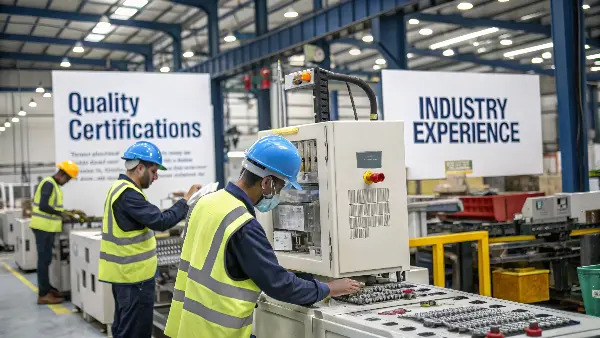
I’ve been in the mold-making business for over a decade, and I’ve seen countless projects succeed or fail based on one critical decision: choosing the right partner. It’s not just about finding a company that can make a mold. It’s about finding a team that speaks your language and understands the world your product will live in. This partnership is the foundation of a successful product launch. If you want to make sure you’re building on solid ground, you need to know what to look for and what to ask.
Let’s break down how to find that perfect match for your project.
What Defines a "Specialized" Injection Molding Company?
You’ve seen the websites—everyone claims to be an expert. But how do you know what "specialized" truly means in practice? Partnering with a company that only has a surface-level understanding of your industry can lead to overlooked details and frustrating rework down the line.
A specialized injection molding company has a deep focus on a particular industry, material, or process. This goes far beyond having a few similar projects in their portfolio. It means their team, equipment, and quality systems are all fine-tuned to meet the precise demands of a specific niche, whether it’s medical-grade polymers or high-volume automotive components.
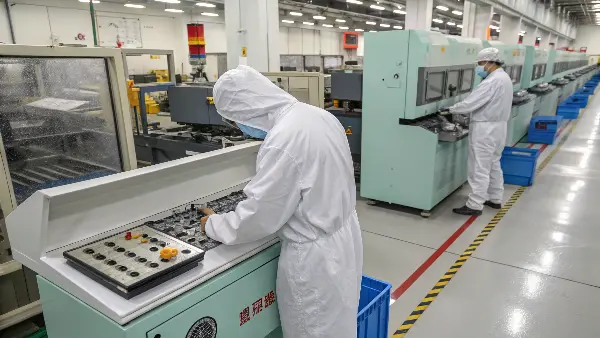
When we started CavityMold, we knew we couldn’t be everything to everyone. True expertise comes from focus. A specialist doesn’t just know how to mold a part; they know why it needs to be molded a certain way for a specific application. This deep knowledge is built over years of solving problems within a narrow field. For example, a molder specializing in medical devices understands the critical importance of biocompatibility and sterilization, while an automotive specialist lives and breathes the requirements of PPAP and IATF 16949. This focus is what separates a true partner from a simple supplier.
Niche Industry Focus
A specialist has experience that is directly relevant to your project. They aren’t learning on your dime. They have a proven track record in a particular sector, such as:
- Medical: Requires cleanroom environments, traceability, and expertise in materials like PEEK and PSU that can withstand sterilization.
- Automotive: Demands high-volume production, extreme durability, and strict adherence to quality standards like IATF 16949 for components like interior trim or engine parts.
- Consumer Electronics: Focuses on high-cosmetic finishes, tight tolerances for assembly, and materials like PC/ABS for durability and aesthetics.
- Aerospace: Involves high-performance polymers, extreme temperature resistance, and lightweighting strategies.
Material and Process Expertise
A generalist might be comfortable with common plastics like polypropylene or ABS. A specialist, however, has mastered the materials critical to their field. They understand the unique shrink rates, flow characteristics, and processing parameters of high-performance engineering plastics. Likewise, they have invested in specialized process capabilities.
| Capability | Generalist Molder | Specialist Molder |
|---|---|---|
| Materials | Works with commodity resins (PP, PE, ABS). | Masters engineering-grade resins (PEEK, Ultem, LCP). |
| Processes | Standard single-shot molding. | Expertise in overmolding, insert molding, micro-molding. |
| Environment | Standard factory floor. | Certified cleanrooms (e.g., Class 8) for medical or electronics. |
| Quality | Basic dimensional checks. | Utilizes CMMs, CT scanning, and process validation (IQ/OQ/PQ). |
This focus ensures they have the right tools and knowledge to handle the unique challenges of your product from the very beginning.
Why Does Industry Specialization Matter in Injection Molding?
You might think any good molder can figure out your project requirements. But does it really make a difference if they’ve worked in your exact industry before? A lack of specific knowledge can introduce subtle but critical design flaws, leading to costly tooling changes and compliance failures.
Industry specialization matters because it dramatically reduces project risk and accelerates your time-to-market. A specialist already understands your industry’s language, quality standards, and common hurdles. They provide better design feedback, anticipate potential problems, and ensure your product meets the strict regulatory requirements of its intended application, saving you time and money.
I remember a project we worked on for a client in the medical device field. They initially went with a low-cost, generalist molder for a complex handheld diagnostic tool. The molder produced parts that were dimensionally correct, but they failed during sterilization testing. The material they recommended couldn’t handle the process. The client came to us with a major delay on their hands. Because we specialize in medical molding, we immediately identified the right material grade and proposed a small design change to improve resin flow. We produced new molds and parts that passed all tests. That initial mistake cost them three months and thousands of dollars—a clear lesson in the value of specialization.
Reduced Risk and Faster Time-to-Market
A specialist has likely encountered and solved problems similar to yours many times over. They won’t be guessing. This experience translates directly into:
- Smarter Design for Manufacturability (DFM): They can spot potential issues related to your specific industry’s needs, like sink marks on a cosmetic part or weak points in a structural component.
- Accurate Quoting: They understand the true costs associated with specific material requirements, quality checks, and documentation, leading to fewer surprise charges.
- Fewer Tooling Revisions: Getting the mold design right the first time is one of the biggest time-savers in any project. An expert knows the nuances of molding a particular material for a particular application.
Navigating Complex Regulatory Compliance
This is where specialists truly shine. Different industries are governed by different sets of rules, and a failure to comply can be catastrophic.
| Industry | Common Standard / Regulation | What it Governs |
|---|---|---|
| Medical | ISO 13485 | Quality management systems for medical devices. |
| Automotive | IATF 16949 | Quality management for automotive production parts. |
| Aerospace | AS9100 | Quality management for aviation, space, and defense. |
| Food Contact | FDA Regulations (e.g., 21 CFR) | Safety of materials used in contact with food. |
A specialist partner doesn’t just know these standards exist; they have built their entire quality system around them. They understand the documentation, traceability, and validation requirements, ensuring your parts are compliant from day one. This peace of mind is invaluable.
How Can You Properly Assess a Molder’s Technical Capabilities?
Every company’s website is filled with impressive photos and bold claims. So how can you cut through the marketing and verify their actual technical skills? Being swayed by a slick presentation can lead to a disastrous partnership when production finally begins and the parts don’t meet your standards.
To truly assess a molder’s technical capabilities, you need to dig deeper. Request a facility tour and look at their equipment. Ask for specific case studies and physical part samples from projects similar to yours. Most importantly, have a detailed discussion about their approach to DFM and mold flow analysis. Their answers will reveal the true depth of their engineering expertise.
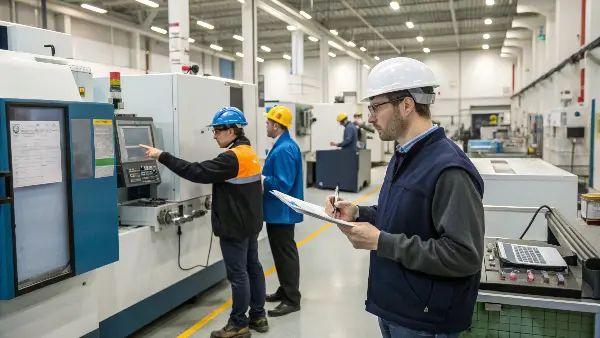
When a potential client talks to us at CavityMold, I always encourage a deep technical conversation. It’s not about trying to sell them; it’s about making sure we’re a good fit for each other. I want them to challenge our engineers. A good partner will welcome these conversations. They will be proud to show you their machinery, explain their processes, and walk you through how they solved a complex problem for another customer. If a company is hesitant to talk specifics or show you their shop floor, that should be a major red flag. True capability is demonstrated, not just claimed.
Reviewing Their Equipment and Technology
The tools a company uses say a lot about its commitment to quality and efficiency.
- Molding Machines: Are they new or old? Electric or hydraulic? Electric machines offer greater precision and repeatability, which is crucial for complex parts. Look for well-known brands like Arburg, Engel, or Sumitomo.
- Tonnage Range: Do they have a range of press sizes that fit your part? A company with a wide range can handle projects of varying scales.
- Quality Control Lab: Look for modern inspection equipment. A Coordinate Measuring Machine (CMM) is essential for verifying critical dimensions. Other tools like optical scanners, moisture analyzers, and colorimeters show a serious commitment to quality.
- Mold Making Shop: If they build molds in-house, look for high-speed CNC machines, EDM equipment, and skilled toolmakers. An in-house toolroom means faster repairs and adjustments.
Analyzing Their Engineering Process
The best equipment is useless without a strong engineering process behind it.
- DFM Reports: Ask to see a sample DFM report. It should be detailed, clear, and offer constructive suggestions, not just point out problems. It should analyze draft, wall thickness, gating, and ejection.
- Mold Flow Simulation: Do they use software like Moldflow or Moldex3D? Ask them to explain how they use it to predict and solve issues like warp, sink, or weld lines before cutting steel. This is a sign of a proactive, engineering-driven approach.
- Project Management: How do they manage projects and communicate updates? Do they use a specific software? Will you have a dedicated project manager? Clear communication is key to keeping a project on track.
This thorough assessment gives you a complete picture of their capabilities, helping you choose a partner you can trust to deliver results.
What Are the Key Questions to Ask a Potential Molding Partner?
You’ve done your research and have a shortlist of promising molders. What should you actually ask them? Asking vague questions often yields vague answers, leaving you feeling uncertain about whether they are the right fit for your critical project.
When vetting a potential partner, ask direct questions about their experience with your specific material and industry. Inquire about their detailed quality control process and their standard lead times for both mold building and part production. Crucially, ask who your dedicated point of contact will be. Their answers will paint a clear picture of their expertise, reliability, and communication style.
I’ve learned that the initial conversation is everything. It sets the tone for the entire project. As a project manager, you need clear, confident answers. You’re not just buying a mold; you’re entrusting a part of your company’s success to this partner. The goal of these questions isn’t to trip them up. It’s to start a dialogue and confirm that their processes and expertise align with your expectations. A great partner will appreciate your diligence and provide transparent, thorough answers. If they can’t or won’t answer these questions clearly, they are probably not the right partner for you.
Here are the key questions, broken down by category, that I recommend every project manager ask.
Questions About Experience and Specialization
These questions confirm they have the relevant background.
- "Can you share two or three case studies of projects you’ve completed within the [your industry] sector that used [your material]?" This tests their direct experience, not just general capabilities.
- "What are the biggest challenges you typically see when molding [your material] for [your application type] applications, and how do you overcome them?" This probes their deeper, practical knowledge.
- "Which industry-specific quality standards (e.g., IATF 16949, ISO 13485) are you certified for, and can you provide a copy of your certificate?" This is a simple but critical verification step.
Questions About Process and Quality
These questions reveal how they ensure consistent results.
- "Can you walk me through your mold design and DFM review process? Who from my team will be involved and at what stages?" This clarifies the collaborative process.
- "What is your standard procedure for new tool validation? Do you follow IQ/OQ/PQ protocols?" This is especially important for medical and other highly regulated industries.
- "How do you ensure part-to-part consistency and traceability throughout a production run?" Look for answers that mention Statistical Process Control (SPC), automated inspection, and lot tracking.
Questions About Logistics and Communication
These questions set expectations for how you will work together.
- "Who will be my single point of contact, and what is your typical response time for questions or updates?" A dedicated project manager is a must for complex projects.
- "What are your standard lead times for a mold of this complexity, and for a production run of [X] parts?" This helps you build a realistic project timeline.
- "How do you handle mold maintenance and what is the guaranteed shot life of the tool you build?" This clarifies long-term costs and responsibilities.
Asking these targeted questions will give you the confidence you need to select a specialized partner who can truly support your project’s success.
Conclusion
Finding the right injection molding company isn’t about finding the cheapest or closest option. It’s about finding a true partner. By focusing on industry specialization, assessing their technical depth, and asking the right questions, you can identify a team that will help you master your molding project.